For many people, one of the top stressors of a long-distance move is the safety of their belongings throughout the process. It can be even more worrying when you have a number of...
Continue ReadingLong Distance Moving Services
For more than 110 years, Coleman Worldwide Moving has helped families move across state lines and across the country. As a family-owned company and the largest agent for Allied Van Lines, Coleman provides long-distance moving services backed by nationwide reach, experienced coordination, and full-service support.



Get Free Moving Quote
Choosing the Right Long Distance Moving Option For You
Coleman Worldwide Moving offers long-distance moving services for every type of interstate relocation, including moves across state lines, cross-country moves, and moves that require storage, packing, specialty handling, or vehicle shipping. No two moves are the same. Even households that look similar on paper can require very different levels of coordination based on timing, service needs, and what matters most to the customer.
Whether you are moving from a single-bedroom apartment or a five-bedroom home, Coleman builds your moving plan around your specific situation so you know what is included, what to expect, and what your move may require from start to finish.
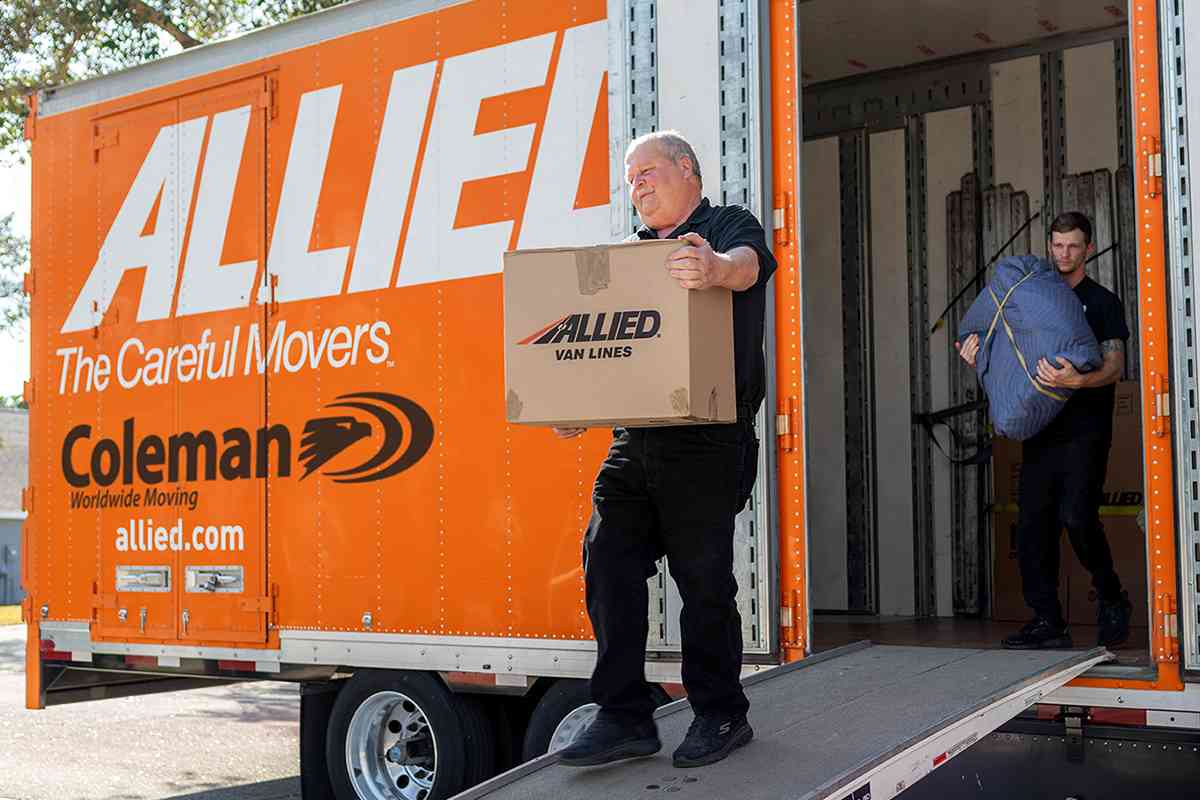
As the largest agent for Allied Van Lines, Coleman Worldwide Moving operates across more than 22 states, including Hawaii, Alaska, and Guam. That reach allows long-distance and interstate moves to be coordinated through a single point of contact from the initial quote through final delivery.
Why Customers Choose Coleman's Long Distance Movers
Choosing the right mover is about more than transportation. It is about trusting the company handling your shipment, communication, timing, and delivery. Families choose Coleman because we combine national reach with direct coordination and flexible service options.
● Family-owned and operated with more than 110 years of moving experience
● Largest agent for Allied Van Lines, giving your move nationwide support and coverage
● Full-service options for packing, storage, vehicle shipping, and specialty items
● One move coordinator helping manage your move from quote through delivery
● Backed by the Allied network and its nationally recognized customer service reputation
What is Included in a Long Distance Move
Coleman's long-distance moving services include a range of options based on your specific needs. Some services are standard for every move we handle, and others are available by request. Below is a quick overview of common services, what they include, and when they may be useful.

Free Stretch Wrapping of Furniture
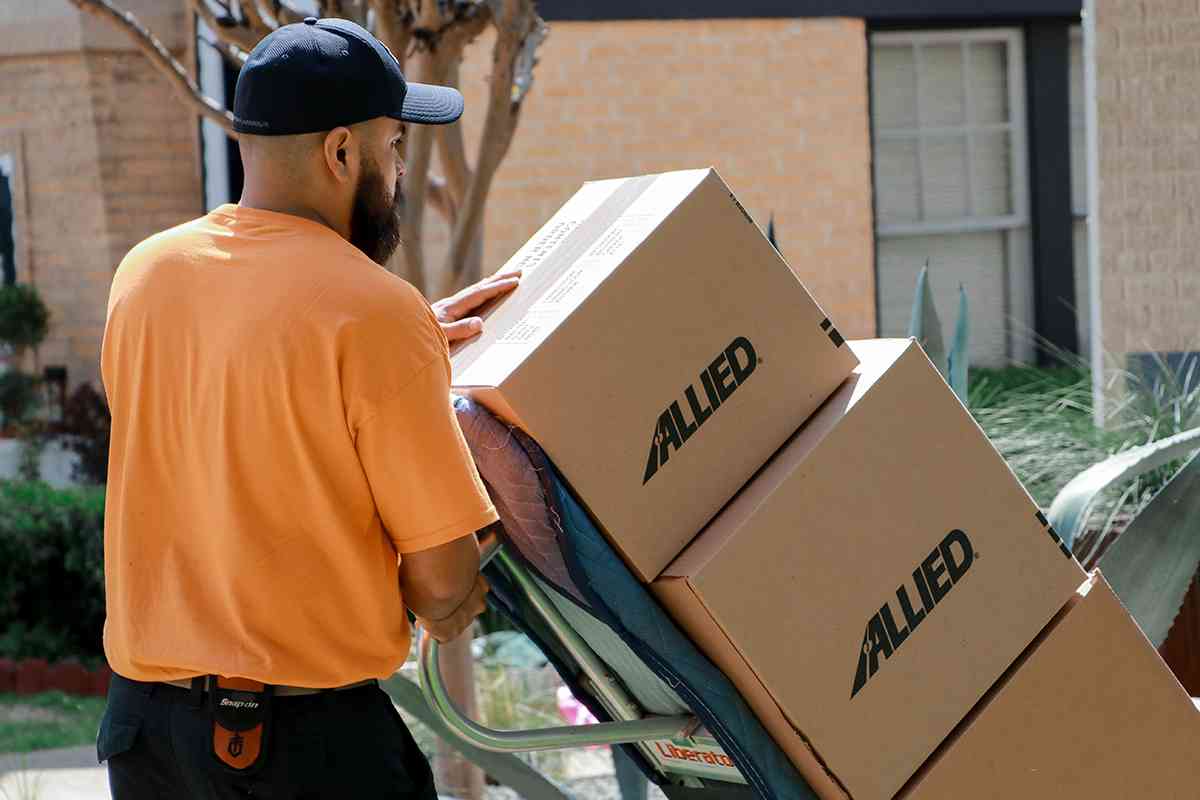
All furniture is padded and stretch-wrapped at no additional charge before loading based on each item's specific needs. This protects surfaces, corners, and legs during long-haul transport without requiring you to purchase additional packing materials. Coleman also uses floor and door protection where applicable to ensure both the safety of your belongings and your residence.
Full-Service Packing
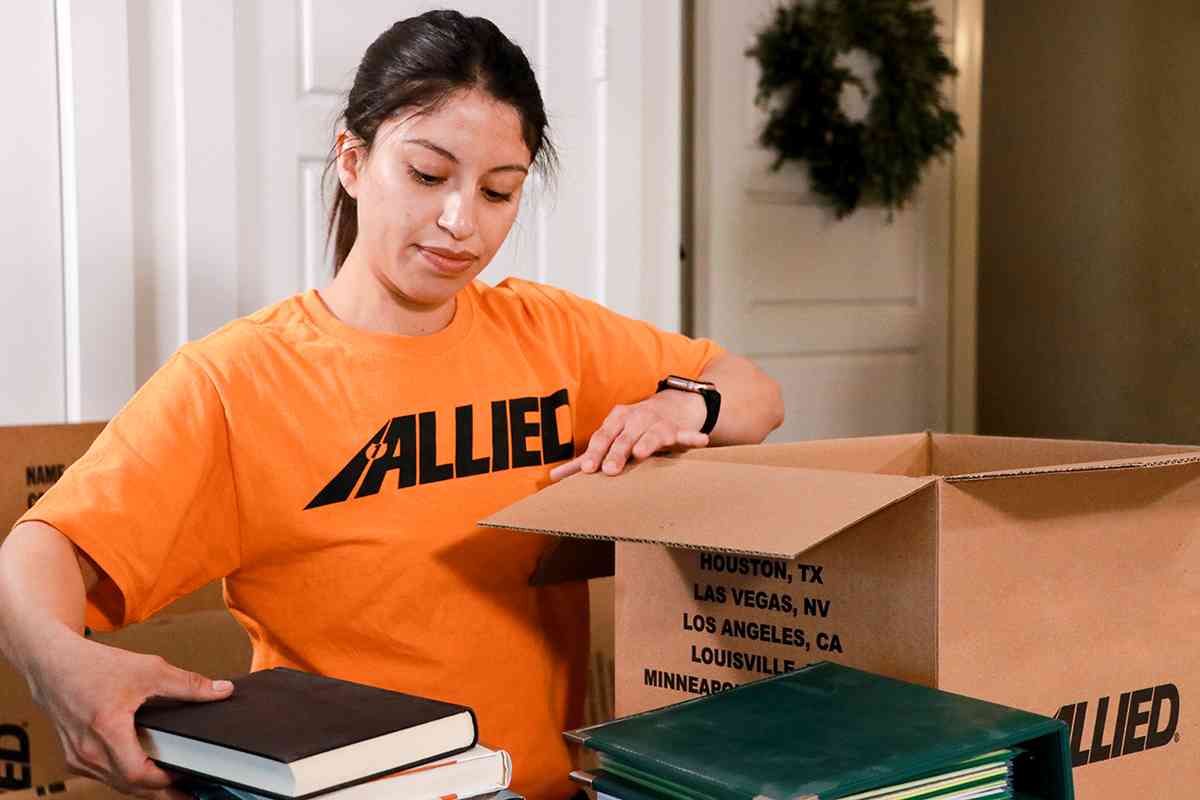
Coleman’s trained crews pack your entire home using professional packing materials and techniques. Full service packing includes all rooms, all items, and all boxes. If something is damaged in a professionally packed box, your valuation coverage through Coleman and Allied will apply based on the protection plan selected for your move.

Fragile-Only Packing
If you prefer to pack most of your home yourself as a cost-saving measure but want professional handling for fragile, high-value, or breakable items, fragile-only packing is available. Our crews handle artwork, glassware, electronics, fine china, and anything else that needs extra care during transit.
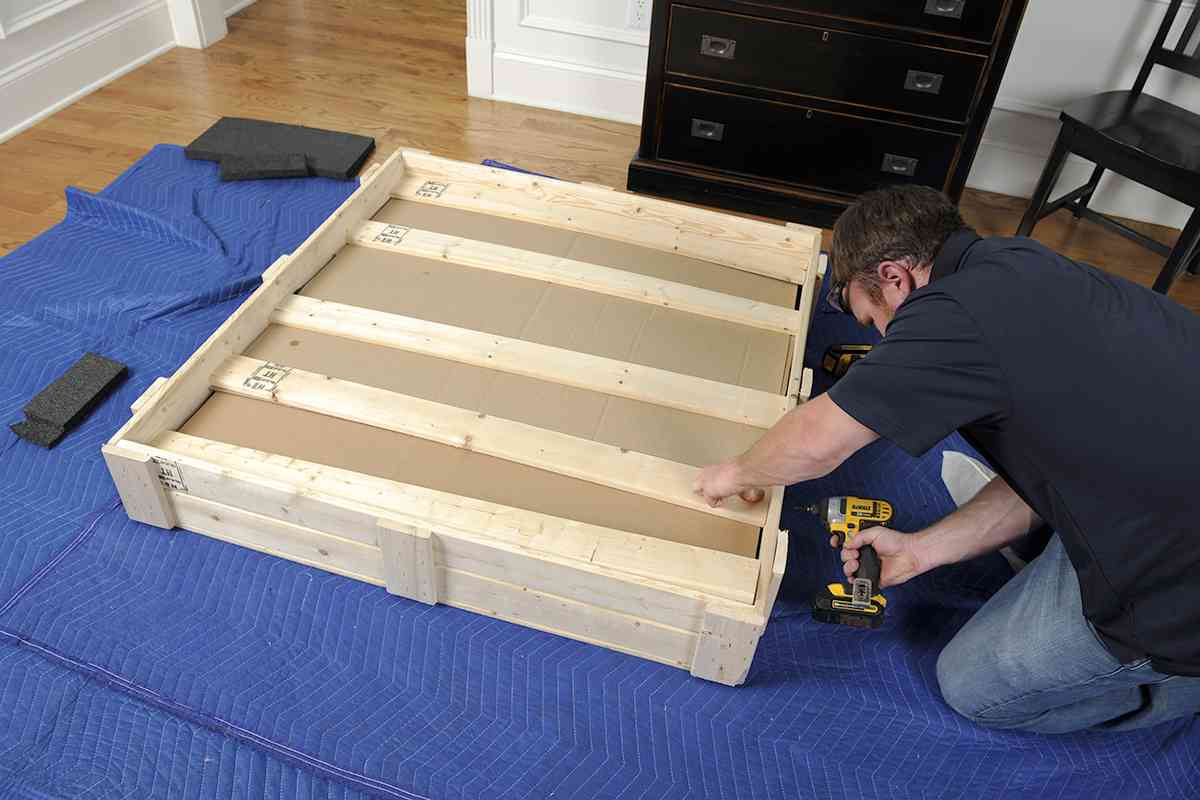
Custom Crating
Items that are unusually shaped, oversized, or particularly high-value -- such as artwork, antiques, instruments, large mirrors, marble, or glass tabletops -- may require a custom-built crate for safe transport. Our team takes measurements and builds crates to spec at your origin location to ensure your most valuable items are properly protected from pickup through final delivery and uncrating.
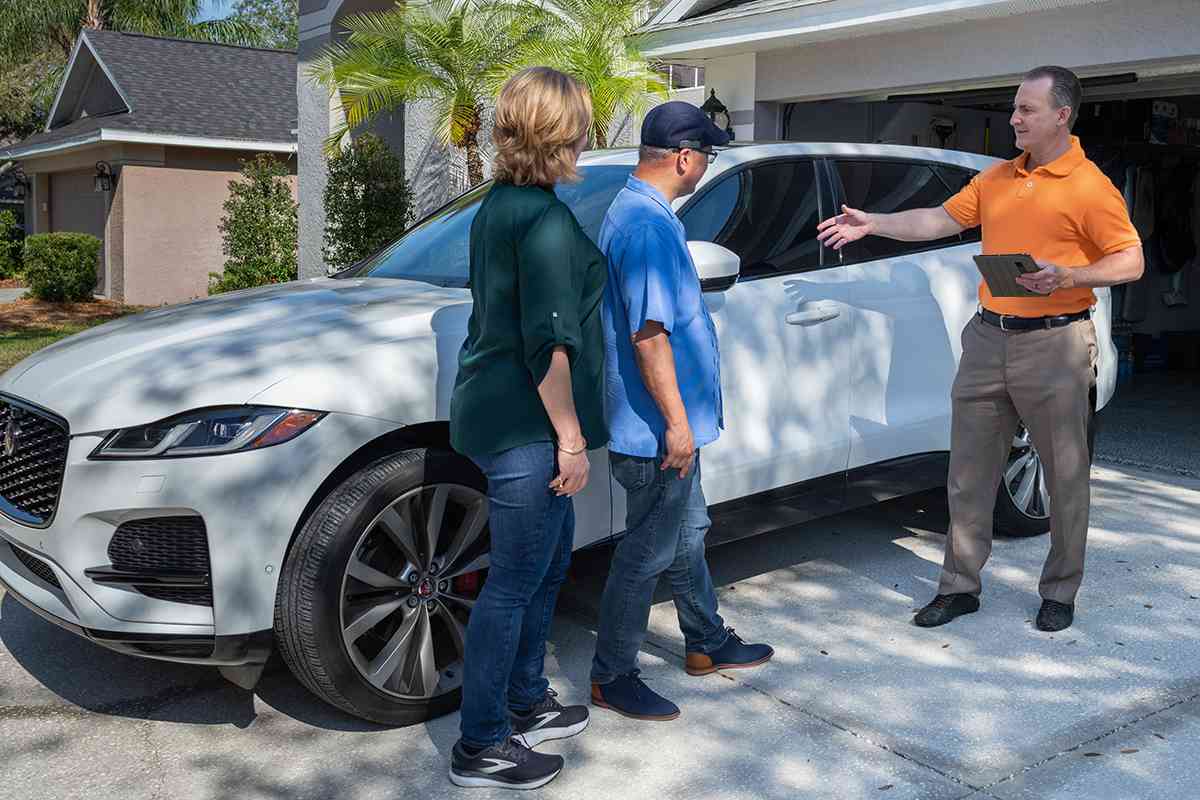
Vehicle and Motorcycle Shipping
Coleman's full-service long-distance moves can include arranging for vehicle and motorcycle shipping to simplify your moving process. You do not need to drive your vehicle or arrange a separate car shipping company to get it to your new home. We also recommend asking about enclosed carrier options for motorcycles or higher-value vehicles.
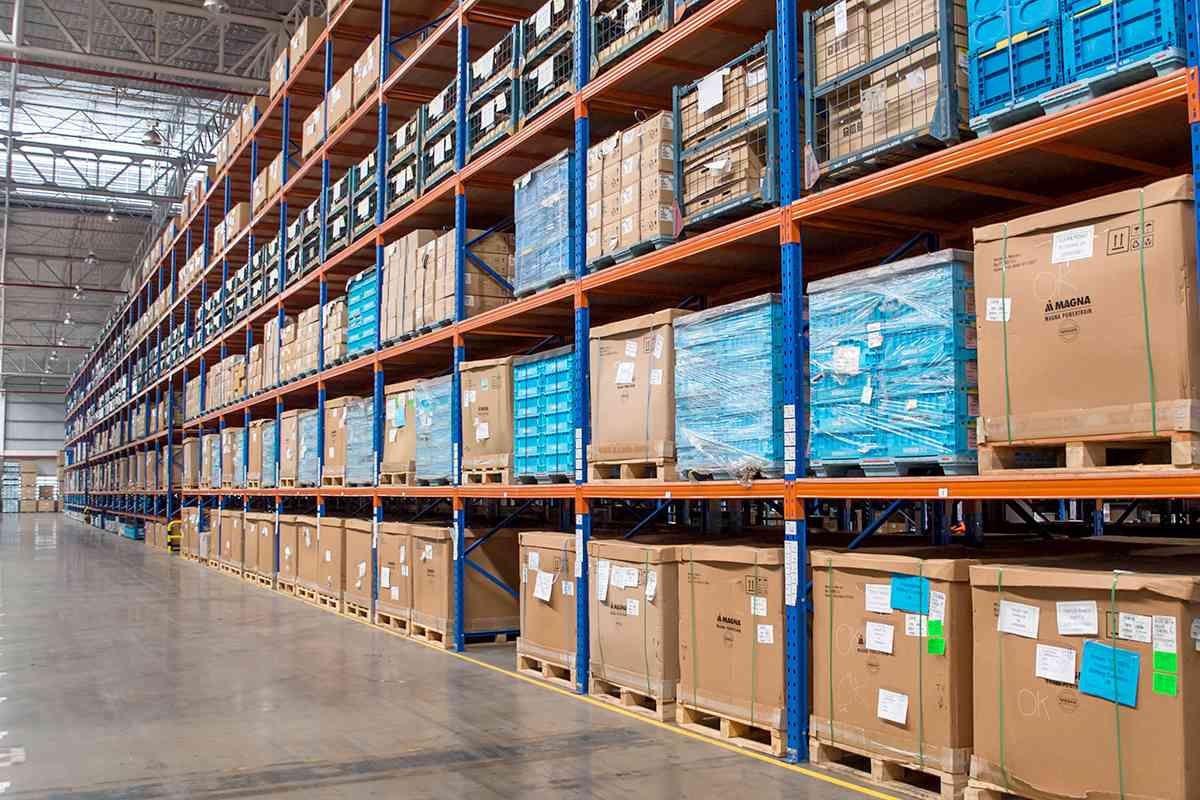
Short and Long-Term Storage
You may find yourself needing temporary storage due to factors such as your new home not being ready, a closing date that has shifted, downsizing for your new destination, or being in temporary housing or on a short-term lease while you finalize your next move. Coleman offers both short and long-term storage options at warehouse facilities across our network. Your belongings remain in our care until you are ready for delivery.
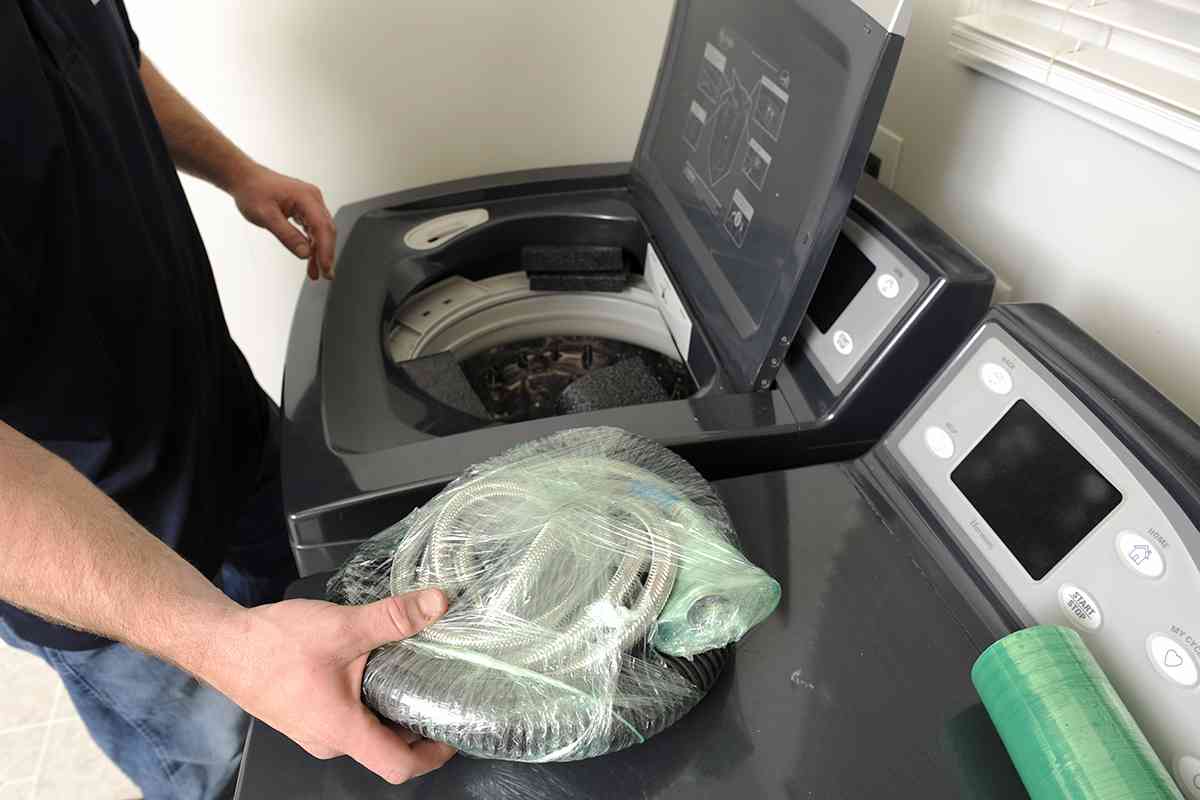
Appliance and Furniture Assembly and Disassembly
Standard furniture disassembly and reassembly is included as part of your long-distance move. Hardware and parts are collected and stored in a parts box to ensure nothing gets lost in transit. Specialty items such as appliances, wall mounted TVs, adjustable bed frames, and complex electronics may require additional coordination and could carry a separate charge. Your moving consultant will walk you through what applies to your specific inventory during the estimate process.
Unpacking and Debris Removal
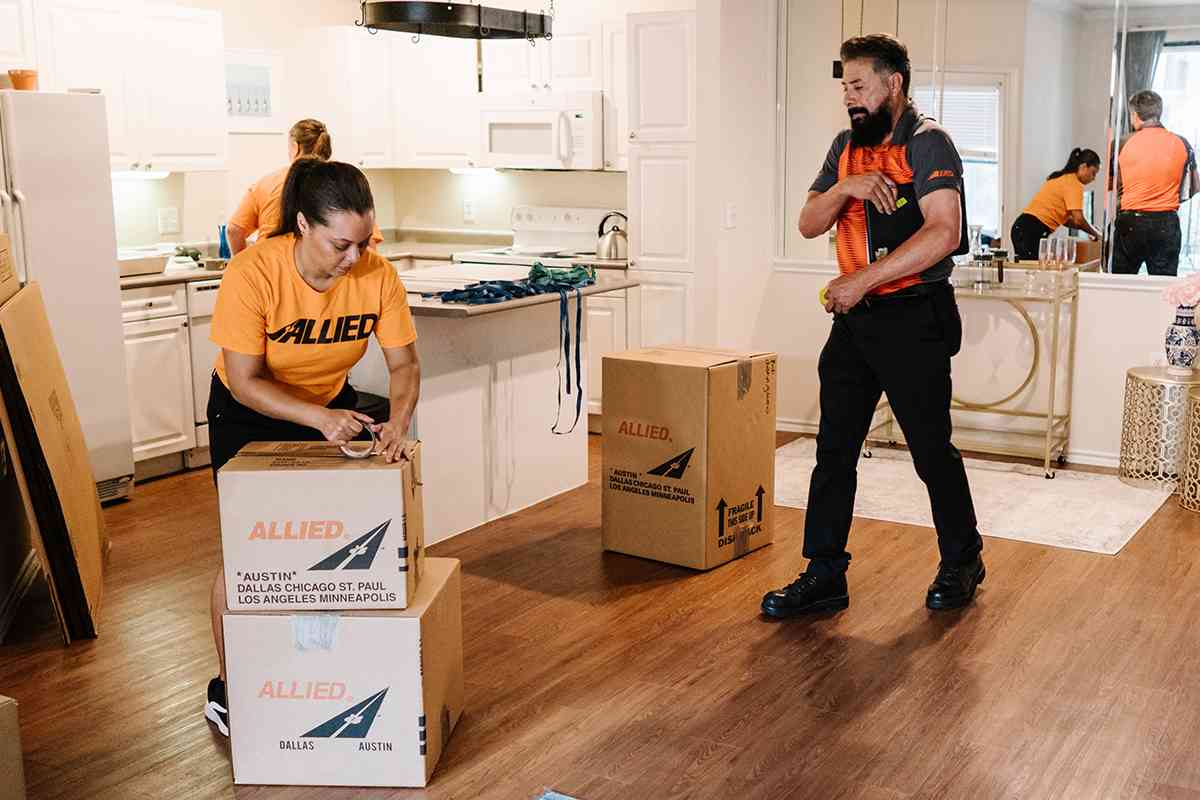
If you want professional help getting settled into your new home, Coleman offers unpacking services and will remove all packing materials and boxes from your new location when the job is done, and all items have been delivered. It is one less thing to manage at the end of a long moving day.
How a Long Distance Move Works
Hiring a mover for a long-distance move takes more planning and coordination than most people expect. Here is a step-by-step look at the process, from the initial quote through delivery and after the move is complete.

Get a Quote
Your move should always start with a free estimate. A reputable mover should not charge you for receiving a quote. When moving long distance, we strongly recommend an in-home or virtual survey rather than accepting a phone-only quote. If a company is eager to price you over the phone without offering an in-home or virtual survey, that is a red flag that you may be dealing with a moving broker. Once the survey is completed, you will receive either a binding estimate that locks in your price...

Plan and Confirm
After accepting your estimate and booking your move, you will be introduced to your move coordinator, who will work with you to confirm your pickup window, delivery spread, and any additional services such as packing, custom crating, or storage. With long-distance moves, you are typically provided with a delivery spread, which is a window of several days rather than a single guaranteed delivery date. This accounts for the logistics of routing your shipment across multiple states.

Pack and Prepare
Your packing experience depends on how much help you want. Coleman offers full-service packing and fragile-only packing options, or you can choose to pack your own belongings. All furniture is stretch-wrapped at no additional charge. High-value or fragile items such as artwork, antiques, and electronics can be custom-crated for additional protection. One thing worth knowing if you plan to pack your own boxes: carriers typically cannot accept responsibility for damage to customer-packed items...

Pickup and Loading
On your scheduled pickup date, an experienced crew loads your shipment onto an air-ride trailer designed to reduce vibration during transport. Each item and box is inventoried and tagged as it is loaded. Before the truck departs, you will sign and receive a bill of lading, which serves as the legal contract for your move.

In Transit
Your shipment travels through Coleman and Allied’s network to your destination. Your move coordinator serves as your point of contact for updates on shipment status and your delivery window, and can relay information between you and your driver ahead of delivery.

Delivery and Unload
When your shipment arrives, your belongings are unloaded from the truck and checked off on the inventory and bingo sheet before being placed in the rooms you designate. Furniture that was disassembled at pickup is reassembled at delivery. When reviewing your inventory, note any exceptions before signing off.

After Your Move
If you discover missing or damaged items after your move, notify your move coordinator, who will walk you through the claims process. For interstate shipments, you have nine months from your delivery date to file a claim under federal regulations. Our team will work with you to review the claim and move the process forward as quickly as possible.
Long Distance Moving FAQ
Q. What is a long-distance move?
A. A long-distance move typically refers to an interstate move, meaning the origin and destination are in different states. Unlike a local move, which is usually priced by the hour, a long-distance move is typically priced based on the weight of your shipment, the distance it travels, and any additional services selected.
Q. How is the cost of a long-distance move calculated?
A. Long-distance moves are typically priced based on the weight of your shipment, the distance between origin and destination, and any additional services you select. Services such as packing, custom crating, storage, vehicle shipping, and specialty handling can all affect the final cost. Your estimate should clearly outline those charges so you can understand what is included.
Q. What is the difference between a binding and a non-binding estimate?
A. A binding estimate locks in your price based on the quoted inventory and services. A non-binding estimate reflects the mover’s best assessment before the move, but the final price can change if the actual weight or services differ from what was originally estimated. Before booking your move, make sure you understand which type of estimate you are receiving and how any changes would be handled.
Q. Should I get an in-home or virtual survey for a long-distance move?
A. Yes. For a long-distance move, an in-home or virtual survey is one of the best ways to receive a more accurate estimate. It allows the mover to assess the size of your shipment, any specialty items, access conditions, and service needs before pricing the move. Be cautious of companies that want to quote a long-distance move over the phone without first reviewing your shipment.
Q. How long does a long-distance move take?
A. Transit time depends on the distance of your move, the size of the shipment, routing, and scheduling conditions at the time of service. Many long-distance moves are assigned a delivery spread rather than a single guaranteed date, which means delivery may take place within a window of several days. Your move coordinator should explain that timing up front, and the agreed delivery dates or timeframe should be reflected in your move documents, including the bill of lading. FMCSA also advises customers not to agree to pickup or delivery “as soon as possible,” but instead to make sure the agreed dates or time periods are definite.
Q. Can I pack my own boxes for a long-distance move?
A. Yes. Many customers choose to pack part or all of their own belongings. However, if you pack your own cartons, carriers typically cannot accept responsibility for damage to the contents unless there is visible external damage to the box. If you want added protection, full-service packing or fragile-only packing may be a better option for certain items.
Q. What services are available with a long-distance move?
A. Long-distance moving services can include full-service packing, fragile-only packing, custom crating, storage, vehicle shipping, unpacking, debris removal, and specialty handling for certain items. The services included in your move will depend on your needs and the estimate you accept. Your moving consultant should walk you through those options before booking.
Q. What is the difference between a moving company and a moving broker?
A. A moving company handles the transportation of your shipment and is responsible for the actual move. A moving broker arranges the move but may not be the company that performs the service. If a company is eager to quote your move without reviewing the shipment or if a price seems unusually low compared to other estimates, those can be signs that you may be dealing with a broker rather than the carrier handling your move.
Q. What happens if something is damaged or missing after my move?
A. If you discover missing or damaged items after delivery, notify your move coordinator as soon as possible and review the claims process tied to your move. For interstate shipments, claims are generally subject to filing deadlines, so it is important to report issues promptly and keep any supporting documentation. You should also note any visible exceptions at delivery before signing paperwork.
What Does a Long Distance Move Cost?
When researching the cost of a long-distance move, it is important to understand that pricing works differently than it does for a local move. Local moves are typically priced at an hourly rate. Long-distance moves are generally priced based on weight, distance, and any additional services selected. Understanding those factors will help you plan more accurately and compare estimates more fairly.
The two primary factors are weight and distance.
Your estimate is based on the total weight of the shipment and the mileage between your origin and destination. During service, your shipment is weighed at a certified scale. In simple terms, a larger home with more furniture will usually cost more than a smaller home moving the same distance.
Additional services can increase the cost of your move.
Full-service packing, custom crating, vehicle shipping, trailer access limitations, special handling or disassembly of certain items, and storage can all carry separate charges. These costs should be clearly itemized in your estimate.
Time of year affects availability and pricing.
Peak moving season typically runs from mid-May through Labor Day, with demand often bottlenecking around the beginning and end of each month. If you move during the fall or winter, you may have more scheduling flexibility and, in some cases, better pricing.
Binding vs. non-binding estimates affect your final bill.
A binding estimate locks in your price based on the quoted inventory. A non-binding estimate reflects the mover’s best assessment of the expected weight, distance, and services based on the information available before the move. Always confirm which type of estimate you are receiving and ask what happens if the actual weight or services differ from the original quote.
When comparing estimates, be cautious of quotes that are significantly lower than the rest. If a price seems unusually low, it may be a sign that you are dealing with a moving broker rather than a licensed carrier. In some cases, those low quotes lead to additional charges that were not clearly disclosed up front.

Additional Reasons to Choose Coleman as Your Long Distance Movers
ProMover Certified
As a certified ProMover, our moving teams adhere to high standards and professionalism for every relocation they perform.
Award Winning
Allied Van Lines is a multi-year recipient of the Women's Choice Award and America's Best Customer Service Award.

Move For Hunger
As a member of the Move For Hunger program, we can help donate your unwanted non-perishable food to those in need.
